

One of the first questions on any new commercial project is deceptively simple: will the building be supplied at low tension (LT) or high tension (HT)? The answer affects your budget, your floor plan, your monthly electricity bill and how quickly you can switch on. Here is how we help clients think it through.
What's the difference?
With an LT service, the electricity board supplies your building at 415 V three-phase (or 230 V single-phase). The board owns the transformer that steps the voltage down, usually shared with other consumers on the street.
With an HT service, you receive power at 11 kV (or higher) and install your own transformer, HT switchgear and metering. You are, in effect, running a small substation.
Between the two sits LT-CT metering — an LT supply for larger loads where current transformers are used for metering. Many mid-sized hotels and showrooms we have wired use LT-CT services.
The main deciding factor: connected load
Supply codes set an upper limit on the load that can be served at LT. Beyond that ceiling, an HT service is mandatory. The exact limits are set by the regulator and revised from time to time, so we always confirm the current figure with TANGEDCO for each project. Our own project list shows the pattern clearly:
| Typical project | Typical load | Usual supply |
|---|---|---|
| Bungalow, small showroom | 20 – 45 kW | LT |
| Hotel, supermarket, mid-size showroom | 80 – 150 kW | LT / LT-CT |
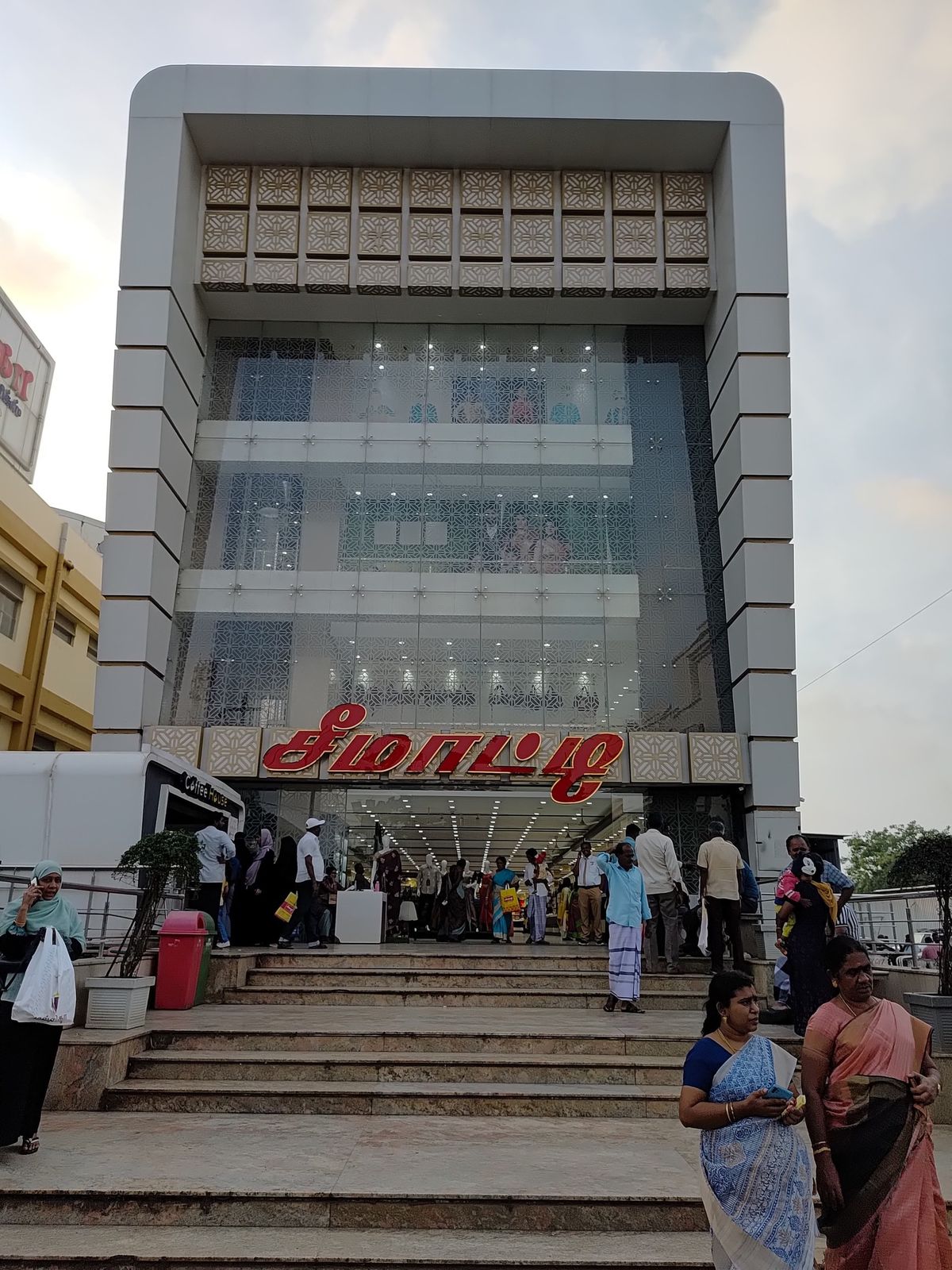
| Large textile showroom | 300 – 1000 kVA | HT |
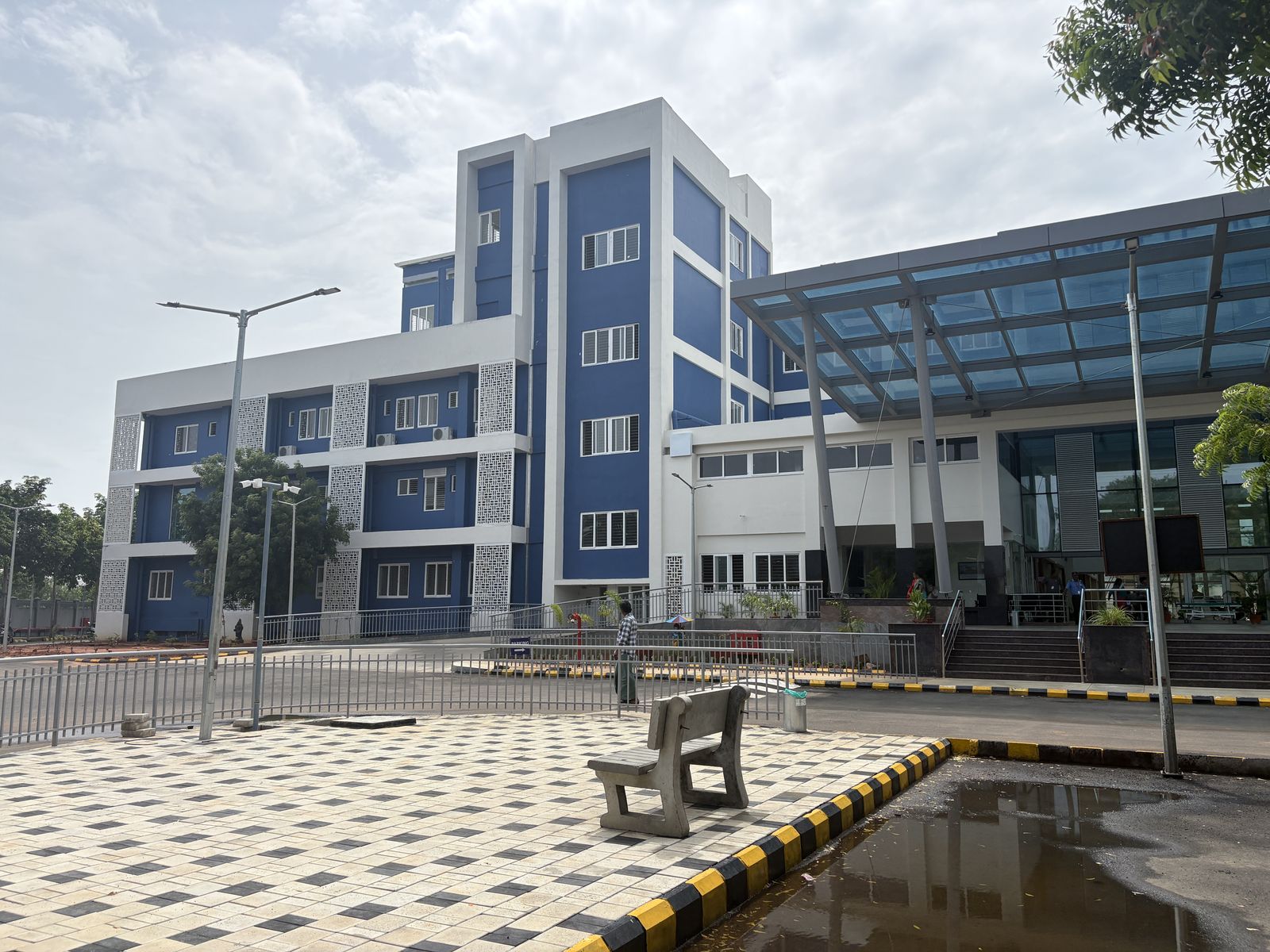
| Hospital, medical college, plant | 1000 – 3000 kVA | HT |
When HT makes sense even if it isn't mandatory
- Tariff structure. HT consumers are billed under different tariffs. For buildings with high, steady consumption the economics can favour HT — run the numbers with your consultant.
- Voltage quality. Your own transformer means you are not sharing with the neighbourhood, which generally gives more stable voltage for sensitive equipment.
- Future growth. If you plan to add floors, a second block or heavy equipment within a few years, sizing the infrastructure now is cheaper than upgrading later.
What an HT service asks of you
- Space: a transformer yard or indoor substation room with proper access, ventilation and clearances.
- Approvals: drawing approval from the CEIG and inspection before energisation. Read our CEIG guide.
- Capital cost: transformer, HT panel / RMU, cabling, earthing and civil works.
- Maintenance: periodic transformer oil testing, protection checks and preventive maintenance.
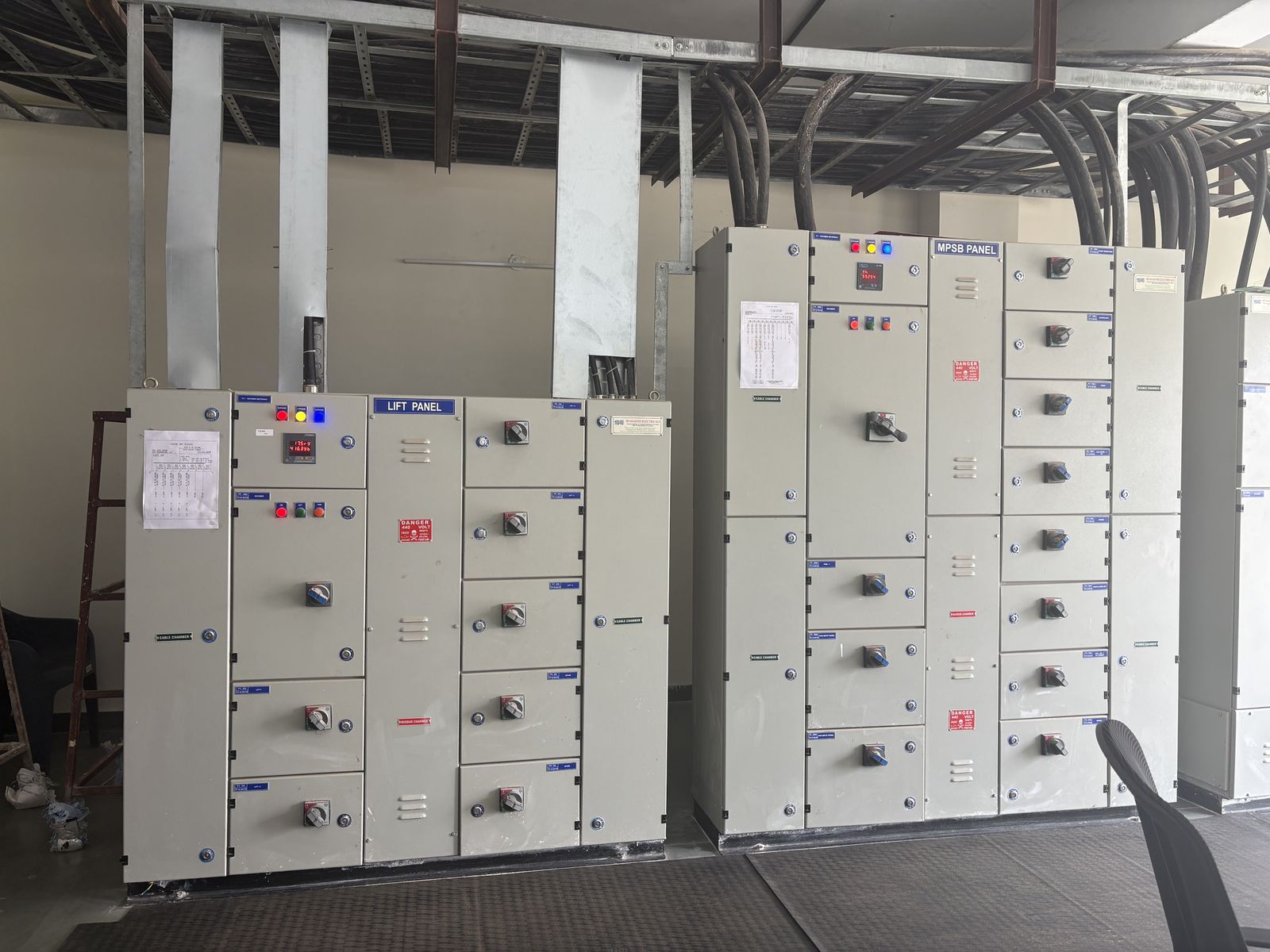
- Power factor: HT consumers must manage power factor; an APFC panel is usually essential.
The right answer is the one that fits your load today and your plans for the next ten years.
Our advice
Bring us your architectural drawings and a list of major equipment as early as possible. We'll build a realistic load estimate, check the current supply limits, and give you a clear recommendation with costs for each option — before the floor plan locks out space for a transformer you may need.